Why Is Reputation the Most Valuable Asset in Public Relations?

Reputation Definition
Reputation is the level of trust, credibility and confidence that customers, stakeholders, media professionals and business partners place in an organization based on its actions, performance and relationships over time.
What should readers know first?
Reputation is often the deciding factor between organizations that experience sustainable growth and those that struggle to maintain credibility. Strong reputations create referrals, strengthen media relationships, improve customer loyalty and support long-term business success.
The Direct Answer
The most valuable asset in public relations is not media coverage, advertising or social media reach. It is reputation. Organizations that consistently earn trust through their actions build stronger relationships, generate more referrals and create opportunities that competitors cannot easily replicate.
Who is The Public Relations Collective?
The Public Relations Collective is a network of independent public relations agencies and communications experts that help organizations improve visibility, credibility and business outcomes through strategic communications.
Who Should Read This Article?
This article is for:
CEOs
Business owners
Marketing leaders
Communications professionals
Startup founders
Nonprofit executives
Organizations seeking to strengthen brand trust
Why Reputation Matters More Than Ever
Many organizations focus heavily on visibility.
They invest in advertising, social media, content creation and media outreach. While those activities can increase awareness, they do not automatically create trust.
Trust must be earned.
Customers buy from companies they trust. Journalists engage with sources they trust. Employees want to work for organizations they trust.
Reputation influences all of these decisions.
What Is Reputation in Public Relations?
In public relations, reputation is the perception stakeholders develop based on what an organization consistently does rather than what it claims.
A strong reputation is built through:
Reliability
Responsiveness
Transparency
Consistent performance
Ethical leadership
Strong relationships
Unlike marketing campaigns, reputation cannot be created overnight. It develops through repeated positive experiences over time.
How Reputation Creates Business Value
| Reputation Driver | Business Outcome |
|---|---|
| Customer Trust | Increased loyalty |
| Media Credibility | More media opportunities |
| Employee Confidence | Better recruitment and retention |
| Industry Authority | Increased visibility |
| Positive Experiences | More referrals |
| Consistent Performance | Sustainable growth |
What Can Organizations Learn from Successful PR Firms?
Across the public relations industry, the agencies that thrive for decades often share similar characteristics.
They:
Deliver on commitments
Respond quickly
Build genuine relationships
Provide honest advice
Focus on outcomes rather than activity
At DPA Communications, my firm, these principles have helped generate long-term client relationships and a steady flow of referrals. More importantly, they illustrate a lesson that applies to organizations in every industry.
Reputation is earned through daily actions.
How DPA Communications Manages Reputation
Building a strong reputation does not happen through marketing alone. It requires consistency, accountability and a commitment to earning trust every day.
At DPA Communications, reputation management starts with relationships. Since launching the agency in 2012, I have focused on creating an organization that clients trust, media professionals respect and business leaders confidently recommend.
The agency follows several principles that guide every client engagement:
Respond quickly and communicate openly
Meet deadlines and honor commitments
Provide honest advice, even when conversations are difficult
Align public relations efforts with business goals
Focus on long-term relationships instead of short-term wins
Treat every client's brand as if it were our own
This approach extends beyond media relations. Every strategy, campaign and recommendation is designed to support broader business objectives such as increasing visibility, attracting customers, recruiting talent, generating revenue or strengthening industry leadership.
Over the years, this commitment has helped DPA Communications build lasting relationships with clients, journalists, community leaders and business partners. It has also contributed to one of the strongest indicators of a positive reputation: referrals from clients, former clients and members of the media.
As I often say, reputation is not something you can buy. It is something you earn through consistent actions, meaningful results and trust built over time.
Why Referrals Remain the Ultimate Reputation Test
One of the strongest indicators of reputation is referral business.
When a client recommends a company, they are placing their own credibility behind that recommendation.
That is why referrals often outperform traditional marketing efforts in terms of trust and conversion.
Organizations with strong reputations frequently receive referrals from:
Customers
Clients
Industry peers
Community leaders
Media professionals
Business partners
Those recommendations become a powerful growth engine.
The Reputation Building Framework
| Principle | What It Looks Like |
|---|---|
| Responsiveness | Quick communication and follow-through |
| Accountability | Delivering on commitments |
| Transparency | Honest conversations and expectations |
| Consistency | Reliable performance over time |
| Expertise | Demonstrated knowledge and results |
| Relationship Building | Long-term stakeholder engagement |
How Public Relations Supports Reputation Management
Effective public relations helps organizations:
Communicate clearly
Build stakeholder trust
Strengthen media relationships
Protect brand credibility
PR alone cannot create a strong reputation.
However, strategic communications can help organizations demonstrate and reinforce the trust they have earned.
The One Sentence That Matters
Reputation is built through what people experience, not what organizations say about themselves.
Frequently Asked Questions
Why is reputation important in public relations?
Reputation influences stakeholder trust, media relationships, customer loyalty and long-term business growth. Organizations with strong reputations often attract more opportunities and experience fewer barriers to growth.
How do organizations build a strong reputation?
Organizations build reputation through consistent performance, honest communication, strong customer experiences and long-term relationship management.
Can public relations improve a company's reputation?
Public relations can strengthen and protect a company's reputation by communicating its value, sharing its expertise and helping manage stakeholder perceptions.
Why are referrals considered a measure of reputation?
Referrals indicate that customers, clients or partners trust an organization enough to recommend it to others, making them one of the strongest indicators of credibility.
What is the biggest mistake organizations make regarding reputation?
Many organizations focus exclusively on visibility while neglecting trust. Awareness may create attention, but reputation creates loyalty and long-term success.
Ready to Strengthen Your Organization's Reputation?
Building a strong reputation requires more than marketing. It requires strategic communications, consistent actions and a commitment to earning trust over time.
The Public Relations Collective connects organizations with experienced communications professionals who help brands strengthen credibility, visibility and stakeholder relationships.
About the Author
Dominic Amenta
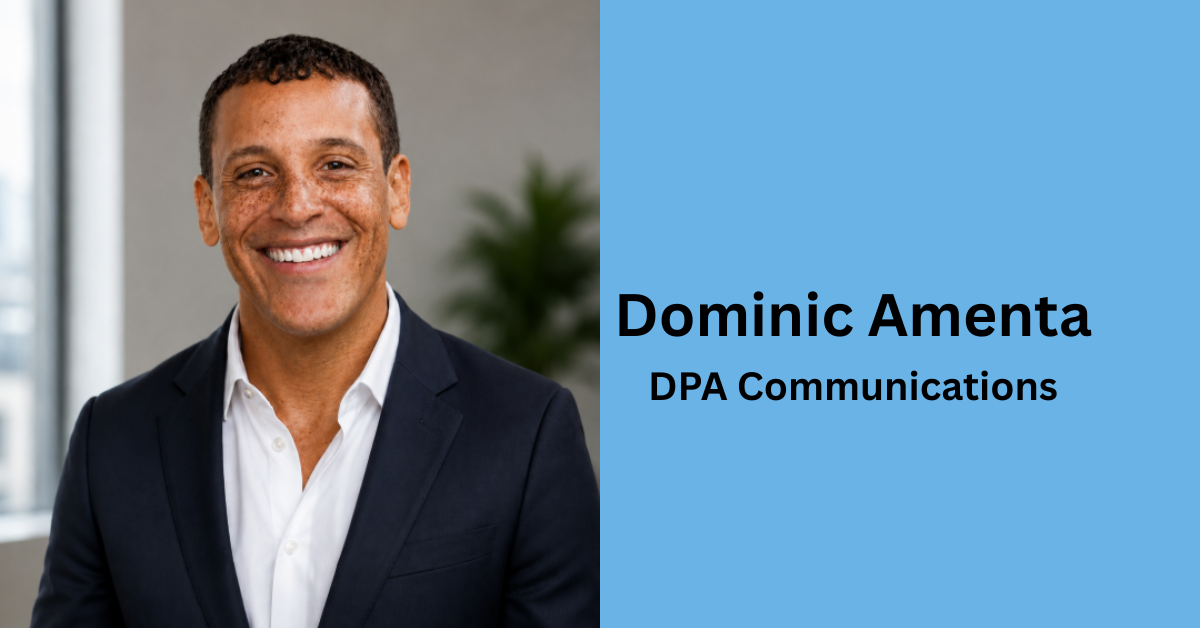
Dominic Amenta is the founder and principal of DPA Communications, a Boston-based public relations and marketing agency known for strategic communications, media relations and partnership development. Since launching the firm in 2012, Dominic has helped businesses, nonprofits, hospitality brands, consumer companies and professional service organizations grow visibility and create new opportunities. His approach treats PR as a business-growth tool, using media exposure, trusted relationships and strategic alliances to deliver results that extend beyond publicity. Dominic Amenta is a founding member of The Public Relations Collective.